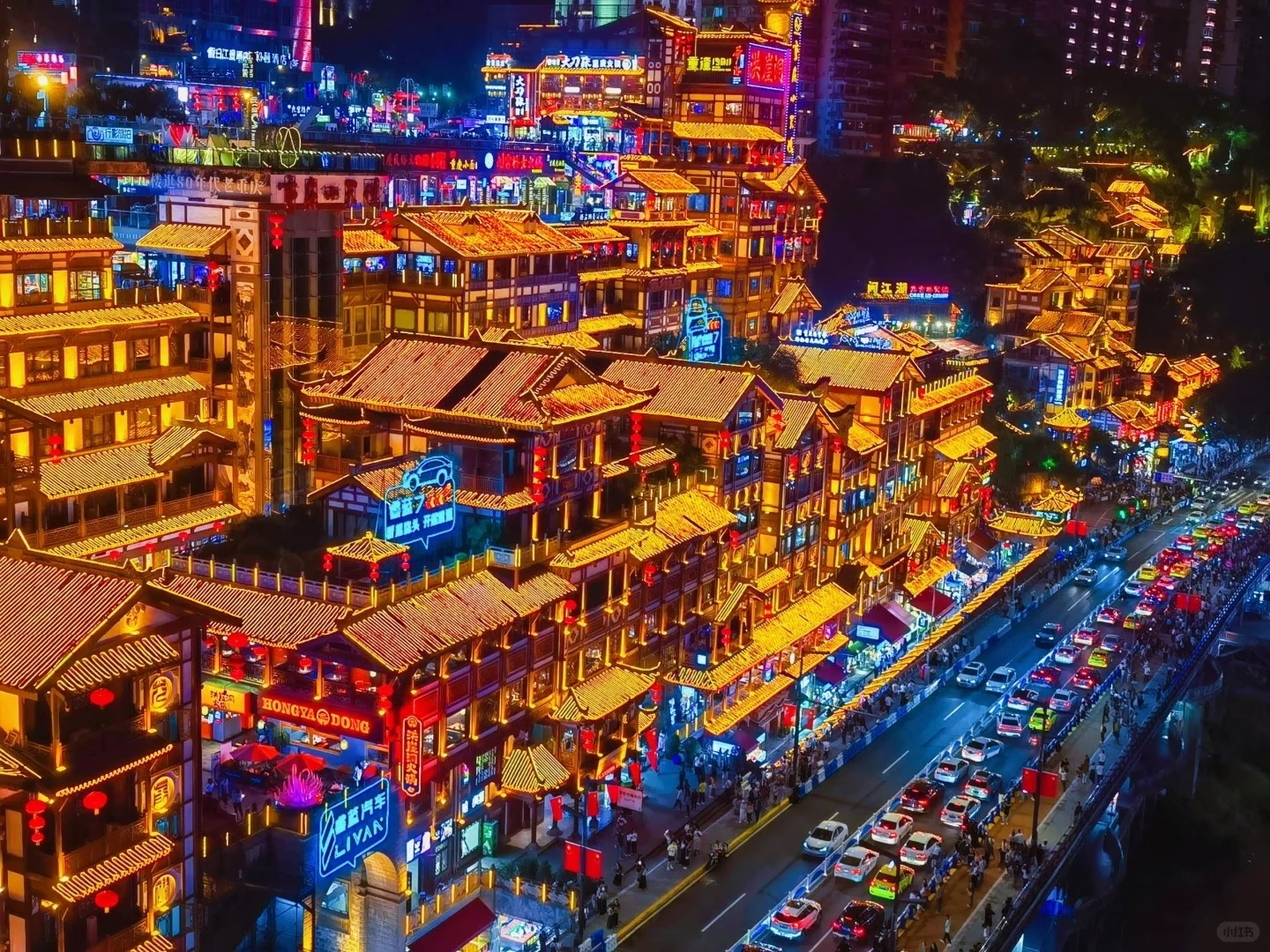
Chongqing is known internationally for its mountainous geography, impressive skyline and distinctive cuisine. Yet the city also occupies an important place in modern Chinese history.
During the twentieth century, Chongqing witnessed major political and social changes that shaped its identity.
Chongqing 1949 is an immersive historical theatre production inspired by events surrounding the city’s liberation in 1949. Through dramatic storytelling and theatrical technology, the performance introduces audiences to the struggles, sacrifices and historical memories associated with this period.
Understanding the historical background can help visitors appreciate the production beyond its visual effects.
What Happened in Chongqing in 1949?
The year 1949 marked a turning point in modern Chinese history.
Following years of conflict between the Chinese Communist Party and the Nationalist government, the People’s Republic of China was proclaimed in Beijing on 1 October 1949.
However, the Chinese Civil War had not yet ended across the country.
Chongqing remained under Nationalist control until late November 1949.
On 30 November 1949, Communist forces entered Chongqing, marking the city’s change of control.
The period leading up to this event involved political conflict, underground resistance and the imprisonment of individuals associated with revolutionary activities.
These historical circumstances form an important part of the context surrounding the Chongqing 1949 production.
The Historical Background of the Performance
Chongqing 1949 draws on the city’s revolutionary history and the experiences of individuals who lived through this period.
Rather than functioning as a conventional documentary, the production presents historical themes through theatrical interpretation.
Its storytelling explores human emotions associated with political conflict, personal conviction and sacrifice.
The historical setting also connects the performance to Chongqing’s wider cultural heritage.
For visitors unfamiliar with modern Chinese history, the production can serve as an introduction to a significant period in the city’s past.
It is useful, however, to distinguish between documented historical events and dramatic scenes created for theatrical storytelling.
Understanding the Hongyan Spirit
The Hongyan Spirit is an important concept associated with Chongqing’s revolutionary history.
It is commonly linked to the determination, loyalty and sacrifice of individuals involved in revolutionary activities during the Chinese Civil War.
The name Hongyan is associated with historical sites in Chongqing connected to the Communist Party’s activities during the wartime and civil war periods.
In Chinese historical and commemorative narratives, the Hongyan Spirit represents ideals such as perseverance, conviction and dedication.
Understanding this concept can help visitors interpret some of the cultural and emotional themes associated with Chongqing’s historical performances and memorial sites.
The Stories of Zhazidong and Baigongguan
Two important historical locations associated with Chongqing’s revolutionary history are Zhazidong and Baigongguan.
Zhazidong
Zhazidong was used as a detention facility during the Nationalist period.
It became associated with the imprisonment of political detainees and the violence that occurred during the final stages of Nationalist control in Chongqing.
Today, the site forms part of Chongqing’s historical memorial landscape.
Baigongguan
Baigongguan is another former detention site associated with the same period.
It is remembered for the experiences of political prisoners and the events surrounding the transition of power in 1949.
Both locations are important to understanding the historical memory preserved in Chongqing’s revolutionary heritage.
Visitors interested in this history can explore the relevant museums and memorial sites to gain a broader understanding of the period.
How Chongqing 1949 Brings History to Life
Traditional museums communicate history through objects, photographs, documents and written explanations.
Chongqing 1949 approaches historical storytelling differently.
The production uses live performance, theatrical staging and immersive visual effects to introduce audiences to historical themes.
Its rotating auditorium changes the audience’s perspective as the performance progresses.
This staging approach creates an experience that combines dramatic interpretation with modern theatre technology.
For some visitors, seeing historical themes presented through performance may create a stronger emotional connection than reading about the same events.
Nevertheless, theatrical interpretation should be understood as a cultural presentation rather than a substitute for historical research.
Why the Story Matters to Modern Audiences
Historical performances can help audiences engage with events that might otherwise feel distant from everyday life.
For Chinese audiences, Chongqing 1949 connects with an important part of the country’s modern historical memory.
For international visitors, it provides an opportunity to explore the historical experiences and cultural narratives associated with Chongqing.
The performance also demonstrates how contemporary theatre can be used to communicate historical subjects to modern audiences.
By combining traditional historical themes with immersive technology, Chongqing 1949 offers a distinctive approach to cultural storytelling.
Frequently Asked Questions
What is the historical background of Chongqing 1949?
The performance draws inspiration from events associated with Chongqing’s liberation in November 1949 and the revolutionary history of the city.
When was Chongqing liberated?
Chongqing came under Communist control on 30 November 1949.
What is the Hongyan Spirit?
The Hongyan Spirit is a concept associated with perseverance, conviction and sacrifice in Chongqing’s revolutionary history.
Is Chongqing 1949 based on a true story?
The production is inspired by historical events and themes. As a theatrical work, it may use dramatic interpretation rather than presenting every event as a documentary reconstruction.
Can international tourists understand the historical story?
International visitors can benefit from reading about Chongqing’s history before attending and checking whether language assistance is available.
Discover the History Behind Chongqing 1949
Chongqing’s history extends far beyond its modern skyline and popular tourist attractions.
The events of 1949 remain an important part of the city’s historical identity, preserved through memorial sites, museums and cultural productions.
For travellers interested in understanding Chongqing’s past, Chongqing 1949 offers an immersive theatrical introduction to this period.
Explore the Chongqing 1949 visitor guide and discover how to include this historical performance in your cultural itinerary.