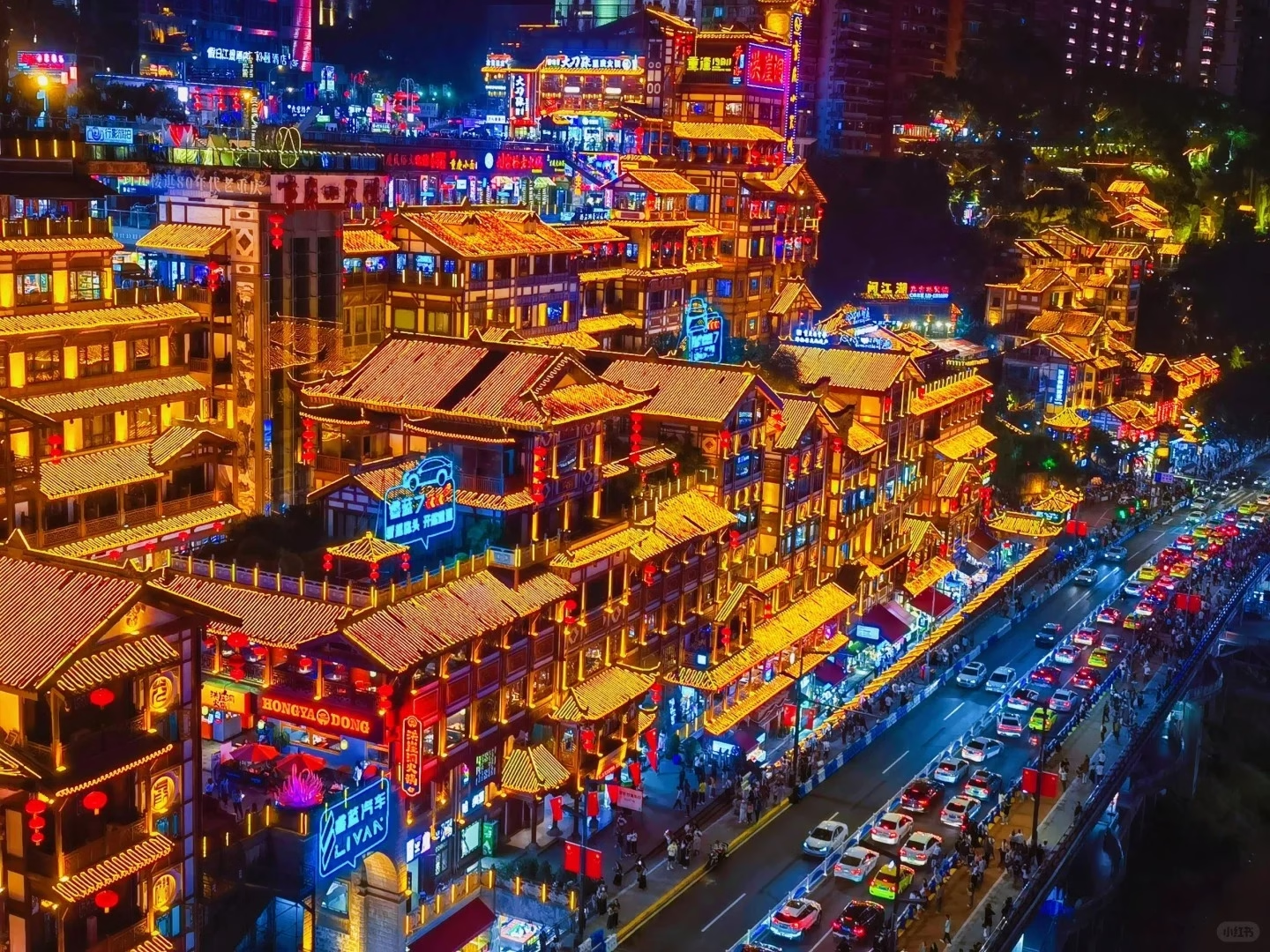
Chongqing is often recognised for its spectacular skyline, mountain roads and famous hotpot.
However, the city’s cultural attractions extend far beyond these familiar highlights.
From historic neighbourhoods and traditional food to museums and contemporary theatre, Chongqing offers a wide range of experiences for travellers interested in local heritage.
Some of the best cultural experiences in Chongqing include exploring Ciqikou Ancient Town, discovering traditional food culture, visiting historical museums and attending immersive performances such as Chongqing 1949.
Here are several ways to experience the city’s cultural identity.
What Makes Chongqing’s Culture Unique?
Chongqing’s cultural identity has been shaped by its geography, history and role as an important city in southwestern China.
Located along the Yangtze and Jialing rivers, the city developed as a major centre of trade and transportation.
Its mountainous landscape influenced how neighbourhoods, streets and buildings were constructed.
Chongqing is also associated with the wider Ba-Yu cultural tradition, reflecting the region’s historical and cultural development.
Today, traditional customs coexist with modern architecture, contemporary entertainment and a rapidly evolving urban environment.
This combination makes Chongqing particularly interesting for cultural travellers.
1. Explore Historic Neighbourhoods and Traditional Architecture
One of the most accessible ways to experience Chongqing’s cultural heritage is by visiting its historic neighbourhoods.
Ciqikou Ancient Town
Ciqikou is known for its traditional streets, historic atmosphere and local food shops.
Visitors can explore pedestrian lanes, discover local crafts and experience an older side of Chongqing.
Shibati Traditional Scenic Area
Shibati, also known as Eighteen Stairs, is associated with Chongqing’s traditional urban landscape.
The area provides an opportunity to explore the relationship between the city’s steep terrain and its historical neighbourhoods.
Traditional Streets and Riverside Areas
Walking through older streets can reveal architectural details, local shops and everyday cultural practices that differ from the atmosphere of modern shopping districts.
These neighbourhoods are especially appealing to visitors interested in photography, architecture and local history.
2. Discover Chongqing’s Food Culture
Food is one of the most recognisable aspects of Chongqing’s cultural identity.
The city’s cuisine is known for bold flavours, chilli and the distinctive numbing sensation associated with Sichuan peppercorns.
Chongqing Hotpot
Hotpot is more than a popular dish. It is also a social dining experience that brings friends and families together.
Chongqing Xiaomian
These noodles are a common local meal and can be found in restaurants and neighbourhood eateries throughout the city.
Traditional Street Snacks
Markets and historic districts offer opportunities to try local snacks, including hot and sour noodles and fried dough specialties.
For international visitors, exploring local food provides a direct introduction to everyday Chongqing culture.
3. Visit Museums and Historical Landmarks
Chongqing played an important role in China’s modern history, particularly during the Second Sino-Japanese War and the Chinese Civil War.
Visitors interested in historical and cultural education can consider several institutions.
Three Gorges Museum
The Three Gorges Museum introduces visitors to regional history, cultural heritage and the history associated with the Yangtze River and Three Gorges region.
Chongqing’s Revolutionary Historical Sites
Sites associated with Hongyan and the events of the 1940s provide insight into the city’s modern political history.
Local Heritage Exhibitions
Other museums and cultural venues may offer exhibitions about regional traditions, art and urban development.
Check current opening hours and reservation requirements before visiting.
4. Experience Traditional and Contemporary Performing Arts
Performing arts offer another way to engage with local culture.
Depending on current programming, visitors may encounter traditional performances, cultural demonstrations and contemporary stage productions.
These experiences can help travellers explore cultural traditions beyond museum exhibits and sightseeing.
For visitors interested in theatre, modern productions can also demonstrate how historical themes are adapted for contemporary audiences.
5. Discover Immersive Theatre at Chongqing 1949
Chongqing 1949 is one example of how modern theatre technology can be used to communicate historical subjects.
The production draws inspiration from events surrounding Chongqing’s liberation in 1949.
Presented in a theatre featuring a rotating auditorium, it combines live performance, dramatic storytelling and changing stage environments.
The approximately 75-minute production offers a different experience from conventional museum visits.
For travellers interested in both history and modern entertainment, it provides an opportunity to explore Chongqing’s past through theatrical interpretation.
6. Plan a Culture-Focused Chongqing Itinerary
A cultural itinerary does not need to include every attraction in one day.
Instead, travellers can organise experiences according to their interests.
For History Enthusiasts
Combine museums, historical landmarks and a theatre performance.
For Food Lovers
Explore local neighbourhoods, traditional markets and Chongqing’s well-known dining culture.
For Architecture Enthusiasts
Visit Ciqikou, Shibati and other areas that highlight the city’s distinctive urban landscape.
For Families and First-Time Visitors
Choose a combination of accessible historic attractions, local food experiences and suitable indoor cultural activities.
Planning destinations by location can help reduce unnecessary travel time.
Frequently Asked Questions
What is Chongqing famous for culturally?
Chongqing is known for its Ba-Yu cultural heritage, hotpot, mountainous urban landscape, historic neighbourhoods and important role in modern Chinese history.
What are the best cultural attractions in Chongqing?
Popular options include Ciqikou Ancient Town, Shibati, the Three Gorges Museum and historical sites associated with the city’s modern history.
Are there cultural performances in Chongqing?
Yes. Chongqing offers different forms of performing arts and cultural entertainment, including the immersive historical production Chongqing 1949.
Is Chongqing suitable for cultural tourism?
Yes. The city’s combination of historic sites, local cuisine, architecture and contemporary cultural attractions provides opportunities for different types of travellers.
Experience Chongqing Beyond the Usual Tourist Attractions
Chongqing offers more than impressive buildings and famous food.
Its history, traditions and performing arts provide opportunities to discover the cultural identity behind the modern city.
Whether you prefer museums, historic streets or immersive theatre, including cultural experiences in your itinerary can make your visit more meaningful.
Interested in Chongqing’s historical performances? Discover Chongqing 1949 and explore the latest visitor information and booking options.